
What is Tricaprin? Benefits, Uses, Dosage, and How to Take Tricaprin
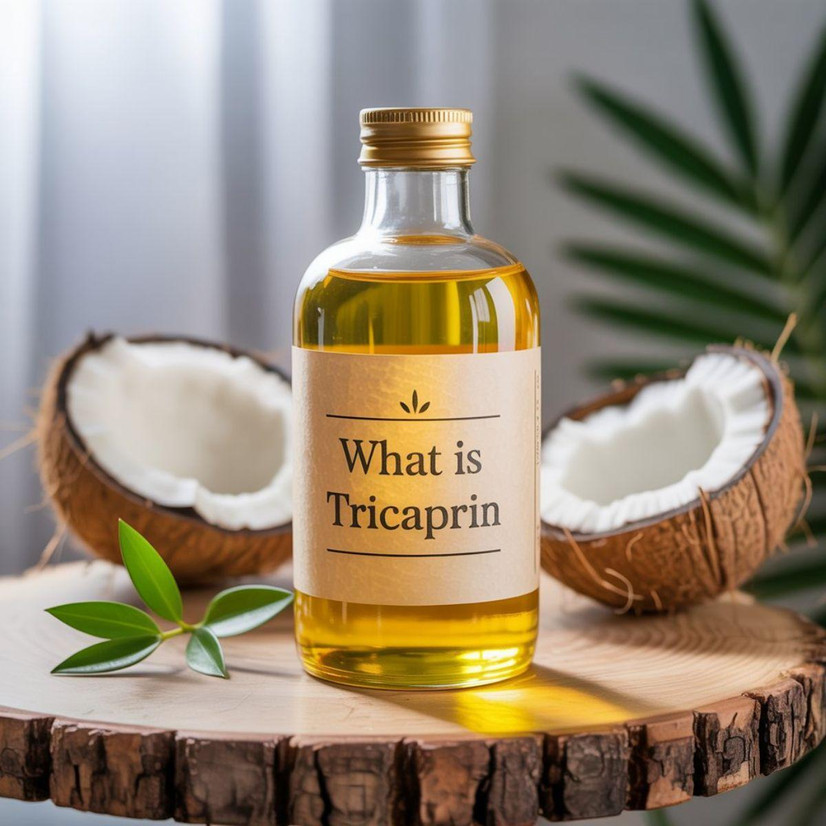
Tricaprin might not be a household name quite yet, but it's gaining traction and popularity in the health and wellness world, especially among those looking to improve heart health. But what is Tricaprin and why are people taking it? We'll break that down in todays blog post along with how to dose it, where to get it, and how to take it.
What is Tricaprin?
Tricaprin is a triglyceride composed of three capric acid (C10:10) molecules bonded to glycerol. Capric acid is a medium chain fatty acid (MCFA) which is naturally found in coconut oil, palm kernel oil, and dairy fat. As a medium chain triglyceride (MCT), tricaprin acts differently in the body compared to long chain fats, it's more easily digested and rapidly converted into energy or ketone bodies. Unlike general MCTs, which often contain a mix of caprylic (C8) and capric (C10) acds, tricaprin is pure C10 which gives it some unique proeprties when taken in higher doses.
What Are The Benefits of Tricaprin?
While most of the attention Tricaprin is getting rigth now is regarding heart health, most notable some studies which have shown "Remarkable Results" in regards to reversing heart damage and improving long-term survival and recovery among heart failure patients, Tricaprin also has other benefits including improving energy metabolism and helping to manage lipid levels.
Supports Heart Health
Numerous animal and early human studies suggest Tricaprin may help improve mitochondrial function in the heart, reduce oxidative stress, and support better cardiac metabolism. Some recent research out of Japan has linked Tricaprin intake with reduced arterial stiffness and improved vascular function, potentially lowering cardiovascular risk.
Improves Energy Metabolism
Unlike other MCTs, Tricaprin is quickly metabolized by the liver to produce ketones, which serve as an alternative fuel for muscles as well as the brain. This makes it appealing to people on Keto Diets or those looking to enhance endurance or cognitive performance.
May Help Manage Lipid Levels
Tricaprin might reduce accumulation of triglycerides in tissues and improve fat oxidation, possibly offering benefits to those with metabolis syndrom or dyslipidemia.
Why Do People Take Tricaprin?
- To Manage Blood Lipids & Triglycerides
- To Support Cardiovasuclar Health
- To Enhance Fat Metabolism & Ketone Production
- To Support Mitocondrial Health & Energy Levels
- To Optimize Cognitive Performance
Who Should Consider Taking Tricaprin?
- Those With Early Signs of Cardiovascular Issues
- People With Metabolic Syndromes or Prediabete
- Athletes or Keto Adapted Individuals Seeking Enhanced Energy
- Older Adults Focused on Mitochondrial Health
- Those Who Need Vascular Support
Does Tricaprin Have Side Effects?
While Tricaprin appears to be well tolerated by most individuals, especially when consumed through natural food sources like MCT Oil or Coconut Oil, there are possible side effects and these include GI upset like bloating, diarrhea or nausea, loose stools, and rarely fatty liver with people with underlying metabolic disorderes. To reduce the risk of side effects start slow and build your dose gradually and as with any supplement consult your doctor or healthcare provider before taking Tricaprin, MCT Oil, Coconut Oil or any supplement.
Does MCT Oil or Coconut Oil Contain Tricaprin?
Yes, both MCT Oil & Coconut Oil naturally contain tricaprin though the amounts vary significantly. MCT Oil is the most concentrated and practical source of Tricaprin, it's typically made from fractionated coconut or palm kernel oil and contains various medium chain fatty acids like Caprylic Acid (C8), Capric Acid (C10-Tricaprin), and Lauric Acid (C12) in smaller amounts.
Most commercial MCT Oils contain anywhere from 30% to 70% capric acid, which is the building block of Tricaprin. Some brands even offer C10 dominant MCT Oil which is ideal if your goal is to boost Tricaprin intake.
Coconut Oil also contains capric acid but in smaller quantities, typically around 5% - 10% of its total fat content. So while coconut oil is a natural source of tricaprin, its not nearly as concentrated as MCT oil. You'd need to consume a much larger amount of coconut oil to match the capric acid found in even a tablespoon of MCT Oil.
What is C10 (Capric Acid)
C10, also known as capric acid or decanoic acid is a medium chain fatty acid made up of 10 carbon atoms hence the name C10. C10 is naturally found in coconul oil, palm oil, and in dairy fats. C10 is one of four main MCTs along with others like C8, C8, and C12.
What's unique about C10 is it converts to ketones fairly efficiently making it a solid choice for sustained energy. It also has a longer energy curve as it digests more slowly than C8 offering more stable and prolonged energy. It also provides mitochondrial support with early studies suggesting it may help improve mitochondrial function and fat metabolism, especially in the heart and muscles.
C10 vs. Tricaprin
C10 is the individual fatty acid found in MCT Oils and Coconut Oil. Tricaprin is a triglyceride from made by bonding three C10 molecules to a glycerol backbone. Tricaprin is metabolized a little differently than free C10 and may have unique benefits in heart and vascular health. Essentially C10 is a building block and Tricaprin is the complete triglyceride made from three of those building blocks.
Where Can I Buy Tricaprin?
Stand alone Tricaprin supplements are hard to find if not impossible to find. So how do you take Tricaprin without a Tricaprin supplement? There are other supplements you can take which contain Tricaprin, these include MCT Oils, Coconut Oil and Powdered MCT's.
1. MCT Oil
-
Best Source: Look for MCT oils that are high in C10 (capric acid) or specifically labeled with their fatty acid breakdown.
-
Tip: Many MCT oils are a blend of C8 and C10, with some offering up to 70% C10. Check the label or opt for "C10-dominant" formulations.
-
How to Use: Start with ½ to 1 teaspoon per day and gradually increase. Add to coffee, shakes, or take straight.
2. Coconut Oil
-
Contains ~5–10% capric acid.
-
Less concentrated but still a natural source.
-
Good for cooking or mixing into smoothies and baking.
3. Powdered MCTs
-
Easier on digestion for some people.
-
Useful for travel or mixing into preworkouts or meal replacements.
Until dedicated tricaprin supplements become more widely available, a high-C10 MCT oil is your best bet for targeted supplementation.
What Foods Are High in Tricaprin?
Tricaprin is not commonly listed on food labels but you can get it indirectly by consuming foods rich in Capric Acid (C10), the fatty acid which makes up Tricaprin. While most natural foods don't contain pure tricaprin, several common sources provide C10 in triglyceride form which your body can process similarly. These include Coconut Oil, Palm Kernel Oil, Full Fat Dairy, Human Breast Milk, and MCT Oil.
Final Thoughts
Tricaprin is an under the radar compound with a lot of potential. While more research is needed, early studies are exciting, and its relatively easy to incorporate into your diet using MCT Oils and Coconut Oil. If you're considering taking tricaprin for health reasons consult your doctor, especially if you have underlying conditions or are taking medications.
†The content of this blog post is intended solely for reference and entertainment purposes. We do not offer medical advice or specific guidance regarding the products discussed. Our insights are based on a combination of anecdotal experiences, online studies/reviews, manufacturer details, and customer feedback. While we strive to present accurate and current information, we cannot assure its completeness or its alignment with the most recent product formulations or data. For any concerns or up-to-date information, we recommend visiting the manufacturer's website directly. The opinions and information provided here do not necessarily reflect the views of Best Price Nutrition; they represent the perspectives and information from the manufacturers and users. Furthermore, these statements have not been evaluated by the Food and Drug Administration. The products mentioned are not intended to diagnose, treat, cure, or prevent any disease or illness.
Recent Posts
-

Pain-RX The Ultimate Solution for Natural Pain Relief
What is Pain-RX? Pain-RX is a supplement for natural pain management. Unlike typical over the counte
-
What is ACP-105?
Is ACP-105 The Ultimate Recomp SARM? ACP-105 is a Selective Androgen Receptor Modulator or SARM. It
-
Nurri Announces All New Nurri Protein Coffee Creamer Coming Soon
Nurri Protein Drinks came out of nowhere last year to quickly become one of the fastest growing and