Top 10 Creatine Essentials
Creatine is one of the most popular and highly researched ingredients in sports nutrition today, scientifically proven to boost physical performance, increase power, and enhance muscle size. Naturally occurring in the body, it is an amino acid stored primarily in the muscles, with small amounts also found in the brain, kidneys, and testes. While your body produces it in the liver, pancreas, and kidneys, many people seek out the best creatine supplements to maximize their athletic potential.
Understanding Creatine Benefits and How it Works
What does creatine do for your body? At its core, it plays a crucial role in energy metabolism. During high-intensity training, your body uses a molecule called ATP for energy; however, muscle cells can only store enough ATP for a few seconds of work. Supplementing with creatine monohydrate helps your body rapidly regenerate ATP, providing a continuous source of energy that allows for repeated bursts of maximum power and increased high-intensity exercise capacity.
Beyond the gym, research suggests creatine benefits extend to injury prevention, cognition, and overall brain health. While often associated with the best creatine for men, it is also a highly effective creatine for women, particularly those looking to improve lean body mass or support hormonal balance and energy levels.
Common Types of Creatine
-
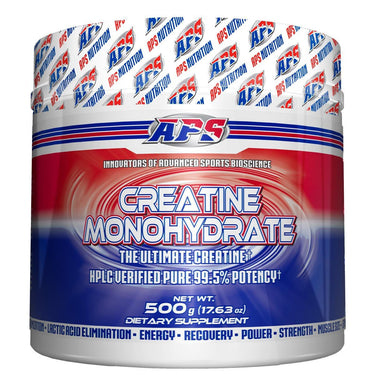
Creatine Monohydrate: This is the most widely studied form of creatine in the world and is the gold standard for purity and efficacy.
-
Creapure®: A premium brand of pure creatine monohydrate produced in Germany, known for its high-quality standards and being vegan, Kosher, and Halal certified.
-
Micronized Creatine: This version features smaller particles for easier mixing and potentially better absorption in liquids.
-
Creatine HCL (Hydrochloride): Often compared to monohydrate, creatine hcl is sometimes chosen by those seeking different solubility profiles.
-
Gummies and Chews: For a more convenient everyday supplement, creatine gummies and chews offer a portable way to get your daily dose without mixing powders.
Usage and Safety: Addressing Creatine Side Effects
A common question for new users is how much creatine should I take? Most experts and sources recommend 5 grams of creatine daily to saturate the muscle cells. Some athletes prefer a creatine loading phase, taking higher doses (often 20g split into four servings) for the first 5–7 days to reach saturation faster, followed by a maintenance dose.
Regarding safety, the supplement is generally considered safe for healthy adults. Does creatine make you gain weight? Some users may experience mild weight gain, but this is typically due to water retention in the muscles rather than fat gain. Despite common myths, there is no scientific consensus that it causes hair loss or kidney damage in healthy individuals, though you should consult a healthcare practitioner before use, especially if you have a pre-existing medical condition or are pregnant.
To ensure quality, look for products that are third-party tested (such as NSF for Sport) to verify they are free from contaminants and banned substances.
Frequently Asked Questions
When is the best time to take creatine? Creatine does not have acute effects like caffeine; its benefits come from muscle saturation over time. You can take it before or after a workout, or at any time of day that helps you stay consistent.
Should I take creatine on rest days? Yes, you should use it on both training and non-training days to maintain high levels of phosphocreatine in your muscles.
Can you mix creatine with protein powder? Absolutely. Many athletes mix 1 serving with water, juice, or a post-workout protein shake for convenience.
Is creatine vegan? Many forms, particularly Creapure®, are vegan as they are manufactured via chemical synthesis and contain no animal byproducts.
How long does it take for creatine to work? It can take up to four weeks of consistent daily use to see the full effects on energy levels and strength.
High-Trust Sources for Further Reading




 20% OFF TOP BRANDS


 $12.99 / NutraBio Creatine 150 Grams